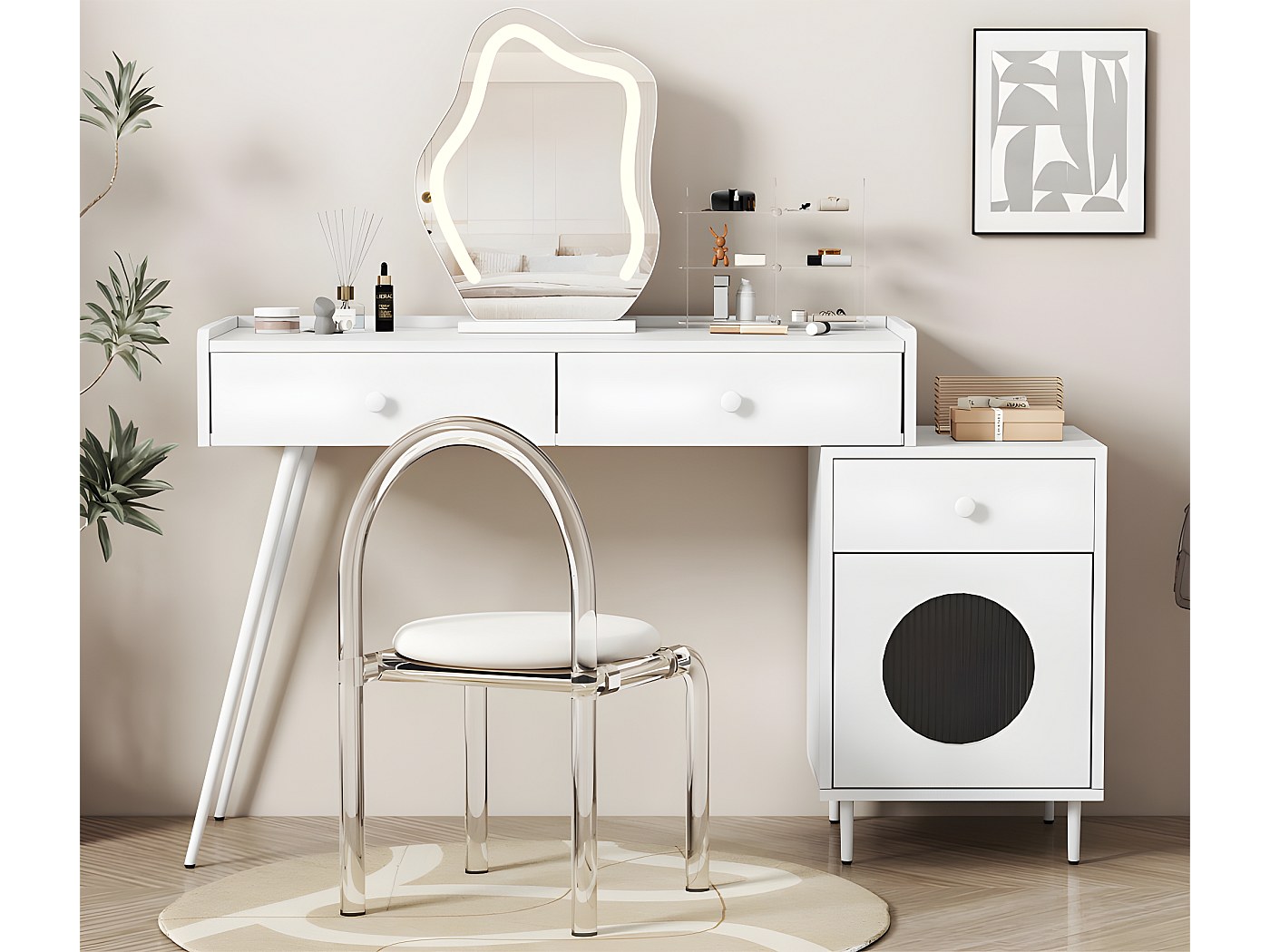

Defining Luxury
The concept of luxury has often been associated with opulence, exclusivity, and superior quality, transcending mere necessity. It encapsulates a lifestyle characterized by extravagant living, comfort, and indulgence. In today’s world, where aspirations often drive consumer behavior, luxury goods are those for which demand escalates disproportionately as income rises. But what, precisely, defines luxury in modern contexts?
The Core Characteristics of Luxury Goods
Luxury goods exhibit several core characteristics that distinguish them from mass-market products. Firstly, they boast exceptional quality—using superior materials and craftsmanship. This quality often leads to a higher price point, which signals exclusivity. Secondly, luxury items are frequently associated with brand prestige. Brands like Louis Vuitton and Chanel carry a reputation that not only reflects quality but also cultural cachet. Finally, luxury goods often provide unique experiences that are difficult to replicate—whether through personalized service or tailored products, consumers are purchasing more than just an item; they are investing in a lifestyle.
The Economic Perspective on Luxury Items
From an economic standpoint, luxury goods are defined by their demand elasticity. Economists classify these items as “Veblen goods,” which see an increase in demand as their prices rise, contrasting typical market behavior where lower prices stimulate demand. The idea hinges on the concept of conspicuous consumption, where individuals purchase luxury items not just for their functional benefits but to signal wealth and status to others.
Luxury vs. Necessity: A Cultural Comparison
The divide between luxury and necessity varies significantly across cultures. For instance, in many Western societies, luxury is often seen as a reward for hard work and success, while in some Eastern cultures, luxury can symbolize family honor or social standing. The perception of luxury can influence purchasing behaviors, reflecting a broader array of values, beliefs, and societal norms that dictate what constitutes a luxury item in varying contexts.
The Evolution of Luxury
Understanding the evolution of luxury provides insight into current consumer behaviors and market trends. The historical context reveals how luxury has transformed through different eras, influenced by changes in economy, technology, and cultural preferences.
Historical Context: How Luxury Has Changed
Historically, luxury was reserved for the elite—a privilege for monarchs and nobility. However, industrialization and globalization democratized luxury, allowing a broader segment of the population access to high-end goods. The Renaissance period saw an elevation in craftsmanship, while the industrial era introduced mechanization, making luxury goods more accessible while sometimes sacrificing the artisan touch. The late 20th century marked the rise of luxury fashion brands, supported by celebrity endorsements and media influence, further entrenching luxury into the fabric of everyday consumer culture.
Modern Trends in Luxury Consumption
Today, luxury consumption is characterized by several modern trends, including the rise of experience-based luxury. Consumers now seek immersive experiences that provide emotional fulfillment—think luxury travel, fine dining, or bespoke events. Furthermore, the impact of sustainability has shifted consumer expectations, with more people preferring brands that engage in ethical practices over purely luxury offerings. Technological advancements have also spawned new luxury sectors, such as digital luxury, where virtual goods are becoming symbols of status within online communities.
The Influence of Social Media on Luxury
Social media has dramatically reshaped how luxury brands interact with consumers. Platforms like Instagram and TikTok are now critical marketing channels, allowing brands to convey their messages visually and engage with followers directly. Influential personalities leverage these channels to endorse luxury products, making them more relatable and accessible to audiences. As a result, luxury is no longer confined to traditional ads; it now thrives in a conversational space where brand loyalty is cultivated through content, engagement, and community-building.
Luxury Brands: An Insider’s Look
Luxury brands are the architects of desire, meticulously crafting their identities to attract and retain consumers. Understanding what sets these brands apart is crucial for comprehending the broader luxury landscape.
Iconic Luxury Brands and Their Heritage
Iconic luxury brands such as Hermès, Gucci, and Rolex carry rich histories and stories. Hermès, renowned for its craftsmanship, began as a harness workshop in 1837 and has evolved into a symbol of wealth with its Birkin bags. These brands often invest in heritage narratives, leveraging their histories to build trust and prestige in an increasingly competitive market. This connection to heritage not only defines brand identity but also entices new generations of consumers who seek authenticity in their purchases.
What Sets Luxury Brands Apart from Others
Luxury brands distinguish themselves from mainstream brands through various factors, including quality, exceptional service, and exclusivity. These brands maintain a significant price premium, which is often justified through artisanal production methods, limited availability, and bespoke options. This selective nature cultivates a sense of urgency and desire, pushing consumers to invest in luxury as not merely a product, but as an experience—one that reflects their individuality and social standing.
Collaborations and the Future of Luxury Branding
Collaborative ventures are becoming pivotal for luxury brands seeking innovation and growth. Recent partnerships between luxury brands and streetwear labels—like the collaboration between Louis Vuitton and streetwear icon Supreme—have blended traditional luxury with contemporary culture. These collaborations attract a younger demographic while reigniting interest among existing consumers. The future of luxury branding may lie in further diversifying partnerships across industries, creating cross-sector innovations that resonate with modern values and consumer expectations.
Sustainability in Luxury
The discourse surrounding sustainability has gained momentum, positioning itself at the forefront of the luxury industry. As ecological awareness among consumers grows, luxury brands are compelled to rethink their environmental footprints and offer sustainable alternatives.
The Shift Towards Sustainable Luxury
The shift towards sustainable luxury reflects broader societal changes, as consumers become increasingly conscious of how their purchases impact the world. Brands like Stella McCartney are leading the charge with ethical fashion and transparency in sourcing materials. This move not only appeals to the eco-conscious consumer but also sets a precedent for other luxury brands, as sustainability transitions from a trend to an imperative for longevity in luxury markets.
Consumer Expectations for Eco-Friendly Luxury
Today’s luxury consumers expect brands to prioritize eco-friendliness without compromising on quality or aesthetics. They seek products that offer both luxurious appeal and a clear commitment to sustainability. This paradigm is influencing how brands approach their sourcing, production, and marketing strategies, with eco-friendly materials and practices becoming vital elements in high-end product offerings.
Case Studies of Sustainable Luxury Brands
Brands successfully becoming beacons of sustainability provide valuable case studies for others in the industry. For example, GANNI has made waves with its focus on circular fashion and inclusivity. The brand uses deadstock materials and invests in sustainable practices while also ensuring that its products are fashionable and attain the luxury feel that consumers seek. Another example is Gucci, which has set ambitious targets for reducing its environmental impact and promoting circularity, reflecting a broader movement within luxury that embraces both luxury and responsibility.
The Psychology of Luxury Purchases
Understanding the psychology behind luxury purchases uncovers the emotional drivers that influence consumer behavior in this domain. Luxury is not only about owning items of monetary value; it also involves the emotional narrative attached to ownership.
Understanding Consumer Behavior in Luxury Markets
Consumer behavior in luxury markets is complex and multi-faceted. Factors such as social status, identity, and emotional fulfillment play pivotal roles in shaping purchase decisions. Brand loyalty, often cultivated through impeccable customer service and personalized experiences, further influences behaviors, leading to repeated purchases as consumers develop emotional ties to brands.
The Emotional Connection to Luxury Goods
The emotional connection consumers develop with luxury goods stems from their associations with success, achievement, and personal identity. When individuals purchase luxury items, they often believe they are not just acquiring a product, but they are also affirming their lifestyle and social standing. This psychological aspect reinforces the value of luxury goods, making them desirable beyond their functional purposes.
Strategies for Marketing Luxury Products
To effectively market luxury products, brands can implement several strategies to resonate with their target audience. Storytelling is critical, as brands must craft compelling narratives around their heritage and product origins. Influencer partnerships can bridge gaps between traditional advertising and social media presence, ensuring that brands connect authentically with younger consumers. Additionally, providing exclusive experiences promotes customer loyalty and generates word-of-mouth marketing, which is instrumental for luxury brands reliant on exclusivity and prestige.